Emergency Dentist Care for Children in Los Angeles CA

A child’s dental emergency rarely happens at a convenient time. It starts with a fall off a scooter in Silver Lake, a collision on a soccer field in the Valley, a cracked molar during dinner in Westchester, or a midnight toothache that turns a calm house into a stressful one. For parents, the first challenge is usually not bravery. It is deciding what needs immediate care, what can wait until morning, and how to keep a frightened child calm while getting help.
Pediatric dental emergencies carry an extra layer of urgency because children are still growing. A chipped baby tooth is not managed the same way as a fractured adult tooth. A tooth pushed out of position can affect speech, comfort, and future development. A spreading dental infection in a small child can escalate faster than many parents expect. That is why access to an experienced Emergency Dentist matters, especially in a large city like Los Angeles where traffic, distance, and after-hours availability all shape decision-making.
Families looking for an Emergency Dentist Los Angeles CA often want fast answers, not jargon. They need to know what to do in the first ten minutes, what signs point to true urgency, and how a dentist will approach care for a child who may be crying, bleeding, or terrified. Good emergency care is not just about treating the tooth. It is about triage, pain control, calm communication, and protecting long-term oral development.
What counts as a dental emergency for a child
Not every dental problem is an emergency, but some situations deserve same-day attention, and a few require immediate action. The distinction matters because timing can change the outcome.
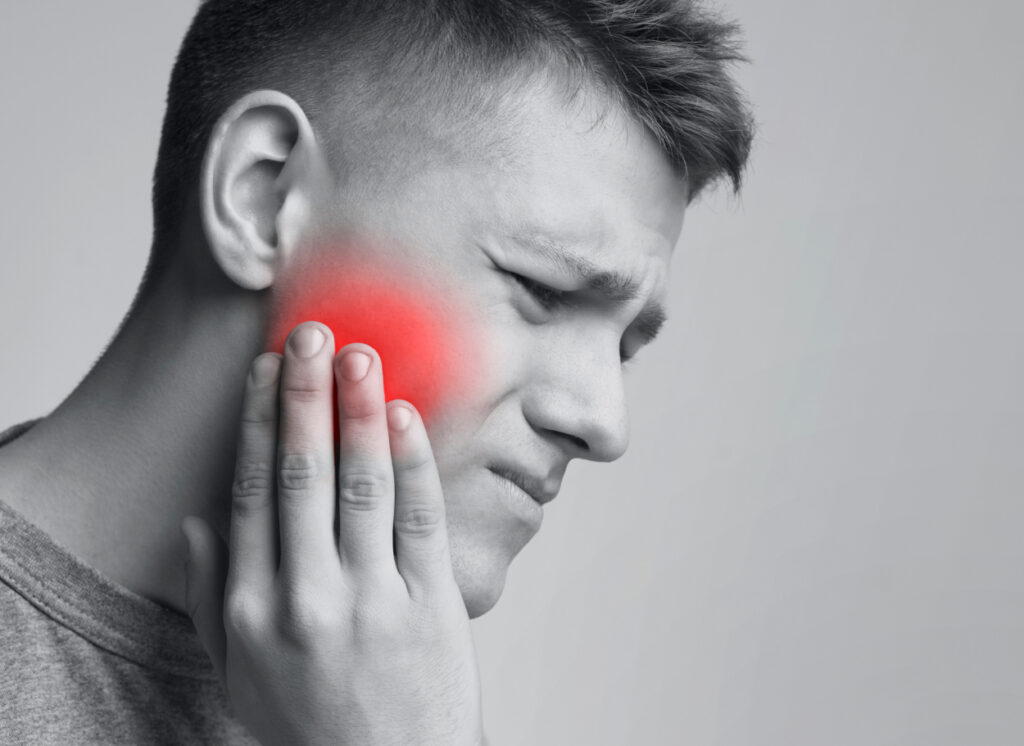
A toothache is one of the most common calls to a pediatric dental office. Sometimes it comes from food trapped between teeth or irritation from a loose baby tooth. Sometimes it signals decay that has reached the nerve, a gum infection, or trauma that did not seem serious when it happened. If the pain wakes a child from sleep, causes facial swelling, or is paired with fever, it moves out of the minor category quickly.
Trauma is another frequent reason parents seek an Emergency Dentist. Children fall. They run into furniture. They get hit with elbows, bats, balls, and handlebars. What looks like a small chip can hide deeper damage to the nerve or root. A tooth that seems merely loose may actually be displaced in the bone. Bleeding from the gums or lip can make the injury look worse than it is, but that does not mean an exam should be skipped. Soft tissue injuries often accompany dental trauma, and the dentist needs to evaluate both.
A knocked-out permanent tooth is time sensitive in a way that surprises many families. If a permanent tooth is completely avulsed, meaning fully out of the mouth, quick action can improve the chance of saving it. A knocked-out baby tooth is different. Parents should not try to reinsert a baby tooth because doing so can damage the developing permanent tooth underneath. This is one of the clearest examples of why children need care tailored to their stage of development.
Swelling is another red flag. Mild gum irritation around a new eruption can often wait. Visible swelling of the face, jaw, or gums, especially with pain or fever, deserves prompt evaluation. Infections in the mouth can spread beyond the tooth. Most stay localized when treated quickly, but delaying care can turn a manageable dental problem into a medical one.
The first few minutes at home matter
The period between the injury and the office visit often shapes how smoothly treatment goes. Parents do not need to provide dental care at home, but a few basic steps can prevent things from getting worse.
If there is bleeding, apply clean gauze or a clean cloth with gentle pressure. If a lip or cheek is cut, a cold compress on the outside of the face helps reduce swelling. If a tooth is chipped or fractured, collect any pieces you can find and place them in a clean container. For pain, many families use an age-appropriate over-the-counter medication that their child has tolerated before, but dosing should always follow the product label or the child’s physician or dentist’s guidance.
For a knocked-out permanent tooth, handle the tooth by the crown, not the root. If it is dirty, rinse it briefly with milk or saline if available. Avoid scrubbing. In some cases, an older cooperative child can have the tooth gently placed back in the socket, but many parents are understandably uncomfortable doing that. Storing the tooth in milk and getting to an Emergency Dentist immediately is a practical approach. Water is not ideal for storage because it can damage the cells on Emergency Dentist Los Angeles CA the root surface.
There are also things not to do. Aspirin should not be placed directly on the gum or tooth. This old home remedy can burn tissue. A loose or displaced tooth should not be forced back into place by a parent. And if a child has a facial injury with vomiting, loss of consciousness, or suspected jaw fracture, a medical emergency evaluation comes first.
The emergencies dentists see most often in children
Patterns emerge in pediatric emergency dentistry. Certain problems show up again and again, and each one has its own treatment priorities.
Toothaches that seem to explode overnight
Many parents are caught off guard by how fast dental pain can intensify. A small cavity may go unnoticed for months, then suddenly involve the pulp, Emergency Dentist Los Angeles CA the living center of the tooth. At that point, a child may complain of throbbing pain, sensitivity to temperature, pain with chewing, or pain that worsens when lying down at night.
In younger children, the signs are not always verbal. They may stop chewing on one side, become irritable, refuse cold drinks they usually love, or press a hand against the cheek. Emergency care focuses first on diagnosis, then on stabilizing the tooth. That may involve a filling, a protective medicated treatment, drainage of infection, or in some cases extraction. Pediatric decisions are guided by whether the tooth is primary or permanent, how close it is to natural exfoliation, and what the child can tolerate safely.
Chipped or broken teeth
A small enamel chip can sometimes be polished or repaired with tooth-colored material. A deeper fracture that exposes dentin or pulp needs faster attention because the tooth becomes sensitive and vulnerable to infection. Front tooth fractures often alarm parents because they are visible, but back teeth can be just as urgent if a large portion of the tooth breaks and chewing becomes painful.
In Los Angeles, active kids generate a steady stream of sports and playground injuries. Mouthguards help, but not every child wears one consistently, especially in casual neighborhood play. When a permanent front tooth fractures, emergency treatment may be surprisingly conservative at first. The dentist may smooth sharp edges, place a protective temporary restoration, test the tooth’s vitality over time, and plan more definitive repair after swelling settles and the child feels safe.
Teeth pushed loose, inward, or outward
Luxation injuries are common in toddlers and school-age children. A tooth may be mobile, intruded into the gum, extruded outward, or shifted sideways. These injuries can look dramatic. A child may say the tooth feels funny or that their bite is not lining up.
The treatment depends on the type of tooth and the direction of displacement. Baby teeth are often managed more conservatively than permanent teeth because the goal includes protecting the adult tooth bud beneath. Permanent teeth may need repositioning and splinting. Follow-up is essential because even teeth that initially look stable can later develop discoloration, infection, or nerve damage.
Knocked-out teeth
This is the emergency that tests everyone’s nerves. Parents remember the blood. Children remember the shock. Dentists remember the clock. The success of reimplanting a permanent tooth depends on how long it stayed out of the mouth, how it was handled, and whether the root surface remained viable.
A baby tooth that is knocked out is not put back in place. That point bears repeating because many well-meaning caregivers do not know it. A permanent tooth is different, and rapid transport to an Emergency Dentist Los Angeles CA can make the difference between saving and losing the tooth. In a city where a 12-mile drive can take an hour at the wrong time, families benefit from calling ahead, getting immediate instructions, and heading straight to the office prepared.
Dental abscesses and facial swelling
Swelling is often what finally brings a family in after a few days of intermittent complaints. The child may have had mild discomfort, then wake with a puffy cheek or gum swelling that looks like a bump. Some abscesses drain through the gum, creating a pimple-like area. Others spread into surrounding tissue.
Treatment may include drainage, antibiotics when clinically indicated, and definitive care for the source tooth. Antibiotics alone rarely solve the underlying problem. They may reduce the spread of infection, but the tooth still needs treatment. This is where experience matters. In children, the dentist must balance urgency with a plan that fits the child’s age, cooperation level, and long-term eruption pattern.
How a pediatric emergency visit usually unfolds
Parents often expect a rushed, high-drama visit. In reality, the best emergency dental care for children is organized and calm. The appointment begins with triage. What happened, when did it happen, has the child eaten, is there swelling, did a tooth come out, is there fever, was there any head injury, and what is the child’s medical history? Those details shape everything that follows.
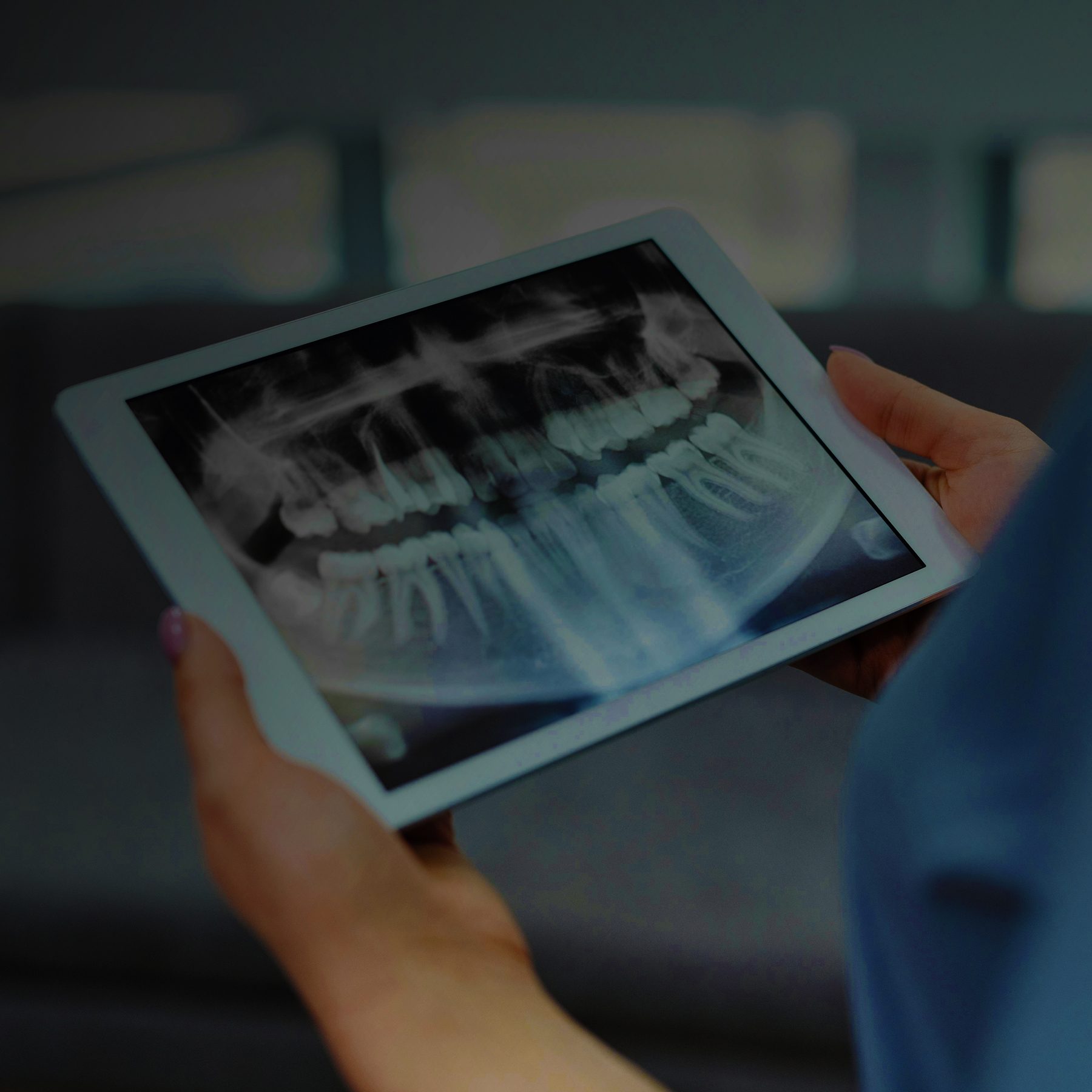
The exam is typically focused but thorough. The dentist checks the injured tooth, neighboring teeth, bite alignment, gum tissue, lips, cheeks, and tongue. Dental X-rays are often needed, especially after trauma, because root fractures and displacement are not always visible from the outside. In younger children, the dentist may adapt imaging techniques to reduce distress and get only the views truly necessary.
Pain control comes early. Sometimes local anesthesia is enough. Sometimes the first goal is simply to make the child comfortable enough for a complete exam. A strong pediatric team knows how to pace a visit. There is a real difference between moving efficiently and moving too fast. Children cooperate better when they understand, in simple terms, what will happen next.
Parents also benefit from direct language. Not every tooth can be fully repaired in one visit. Emergency care often means stabilizing the problem, controlling pain, protecting the tooth, and then planning definitive treatment. That is not second-best medicine. It is good judgment. A frightened six-year-old with swollen gums may do better with staged care than with an attempt at too much treatment in one sitting.
Why children need a different emergency approach than adults
A child is not just a small adult in a dental chair. The teeth are different, the roots are different, the emotional dynamics are different, and the long-term planning is different.
Primary teeth have thinner enamel and larger pulp chambers relative to tooth size, which means decay and trauma can involve the nerve more quickly. Permanent teeth in children may have immature roots, and preserving pulp vitality can be especially important for continued root development. A treatment choice that makes perfect sense for a fully mature adult tooth may not be ideal for a newly erupted permanent incisor in a nine-year-old.
Behavioral factors matter too. A child in pain may resist even a gentle exam. A noisy office, a long wait, or poorly explained steps can magnify fear. The best Emergency Dentist for children knows how to read the room. Some children need brisk confidence. Others need a slower voice, a mirror to watch with, or permission to sit on a parent’s lap for the first part of the visit.
The emotional memory of the appointment matters more than many people realize. A child who feels protected during an emergency visit is more likely to accept follow-up care, less likely to avoid dentists later, and less likely to carry unnecessary fear into adolescence.
Choosing an Emergency Dentist Los Angeles CA for your family
Los Angeles presents practical challenges that families in smaller cities may not face in the same way. Geography alone can turn a routine drive into a stressful delay. When parents search for an Emergency Dentist Los Angeles CA, it helps to think beyond who appears first online and ask more useful questions.
Here are the details worth confirming before you need them:
- Whether the office sees children regularly and handles pediatric trauma, infections, and urgent pain.
- Whether same-day emergency slots are reserved in the schedule.
- Whether after-hours phone guidance is available for active patients or new emergencies.
- Whether the office can provide digital X-rays and common trauma stabilization on site.
- Whether the team communicates clearly about fees, follow-up visits, and referral needs.
A general dentist may be excellent with adults yet not be the best fit for a distressed toddler with a displaced front tooth. On the other hand, some family practices are very experienced with children and manage emergencies skillfully. The right match depends on training, temperament, and the office’s real ability to triage pediatric cases quickly.
When the emergency overlaps with a medical problem
Dentists and physicians sometimes share the same emergency. This is particularly true with facial trauma and significant infections. A mouth injury after a bike crash may involve teeth, lips, and a possible concussion. A swollen jaw with fever and lethargy may require both dental treatment and medical monitoring. If a child has trouble breathing, difficulty swallowing, uncontrolled bleeding, or signs of head injury, emergency medical care should not wait for a dental appointment.
This overlap can be confusing for parents because pain in the mouth feels like a dental issue. Often it is. But judgment matters. If the injury extends beyond the teeth, or the child seems systemically unwell, it is safer to escalate. Good dental offices will tell you that plainly.
The role of prevention, without pretending accidents can be eliminated
No parent can prevent every fall or every late-night toothache. Children are active, and life is messy. Still, some emergencies are clearly preventable, and prevention tends to be far less stressful than urgent treatment.
Sports mouthguards make a measurable difference, especially for basketball, soccer, baseball, skating, and martial arts. A custom guard usually fits better and is more likely to be worn, but even a well-adapted store-bought guard is better than no protection. Regular dental exams also matter because many emergency toothaches begin as problems that could have been caught earlier. Sealants on vulnerable molars, timely fillings, and early evaluation of crowded erupting teeth all reduce avoidable urgency.
Home habits count too. Children break teeth on ice, hard candy, popcorn kernels, and the classic nonfood objects, pen caps, toy parts, and the edge of a swimming pool. Families do not need to become anxious about every bite and every game, but they do benefit from understanding where the preventable risks really are.
What parents often misunderstand
A few misconceptions come up so often that they are worth addressing directly.
Some parents assume baby teeth do not matter because they fall out anyway. In reality, primary teeth guide eruption, support chewing and speech, and can become seriously infected. Neglecting a painful baby tooth can affect sleep, eating, and the health of the permanent tooth developing below it.
Others assume that if bleeding stops, the emergency is over. Bleeding is only one sign. Teeth can suffer internal damage without dramatic external clues. A traumatized tooth may darken days or weeks later, or it may become sensitive long after the fall seems forgotten.
Another common misunderstanding is that antibiotics fix dental infections by themselves. They do not. They are sometimes an important part of care, but the source of infection usually remains until the tooth is treated or removed.
Practical aftercare once the immediate crisis has passed
The hours after treatment are often easier if families know what to expect. Children may have numb lips or cheeks from local anesthetic and need reminders not to bite them. A soft diet is commonly advised after trauma or dental procedures. Cold foods are often well tolerated. Very hot, crunchy, or spicy foods are usually better avoided for a day or two, sometimes longer depending on the injury.
This is a sensible home checklist for the first day:
- Follow the dentist’s pain medication instructions exactly.
- Offer soft foods and plenty of fluids.
- Watch for increasing swelling, fever, or bleeding that does not settle.
- Keep the area clean with gentle brushing, if advised.
- Return for follow-up even if the child seems completely fine.
That last point matters. Pediatric dental trauma can evolve. A tooth that looked healthy on the day of injury may need monitoring over weeks or months. Follow-up visits are part of emergency care, not an optional extra.
A calmer path through a stressful moment
Dental emergencies with children are upsetting because they combine pain, fear, and uncertainty. Yet most are manageable when families act promptly and the child is seen by the right clinician. A skilled Emergency Dentist does more than fix a tooth. They sort urgency from panic, explain what matters now versus later, and create a plan that protects both immediate comfort and long-term oral health.
For parents in Los Angeles, preparation helps. Know which office you would call. Keep that number somewhere easy to find. Understand the difference between a baby tooth and a permanent tooth injury. And if your child wakes up with swelling, loses a permanent tooth on the playground, or cannot sleep from dental pain, treat it seriously. Timely pediatric emergency care often means less pain, simpler treatment, and a much better outcome than waiting and hoping it settles on its own.
Simple Dental Vermont
Address: 8914 S Vermont Ave, Los Angeles, CA 90044
Phone number: +13239493000
FAQ About Emergency Dentist Los Angeles CA
What can the ER do for a tooth?
The emergency room can provide temporary symptom relief for a bad tooth, such as prescribing pain medicine or antibiotics, but it cannot fix the actual dental problem.
What is the 3-3-3 rule for tooth infection?
The 3-3-3 rule for a toothache or infection typically means taking three 200 mg ibuprofen tablets (600 mg total) three times a day for no more than three days to control pain and swelling while waiting to see a dentist.
What do you do if you have a dental emergency but no dentist?
If you have a dental emergency and no regular dentist, you should search for an urgent care dental clinic, call local walk-in dental offices, or go to a hospital emergency room if you have severe bleeding, swelling, or trouble breathing.