How Dental Crowns Protect Weak Teeth From Further Damage
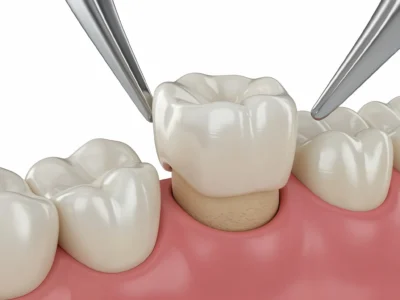


A weak tooth rarely fails all at once. More often, it declines in stages. A small crack widens under chewing pressure. A large filling leaves too little healthy structure to carry everyday force. Tooth decay hollows out enamel and dentin until the remaining shell starts to flex. People usually notice the problem when biting becomes uncomfortable, when a corner chips away, or when a tooth that once felt ordinary suddenly feels unreliable.
That is where Dental Crowns often enter the conversation. A crown is not simply a cap placed on a damaged tooth for appearance. In many cases, it is a structural restoration designed to help a tooth survive forces it can no longer handle on its own. Done for the right reasons, and fitted well, a crown can stabilize a vulnerable tooth, reduce the risk of further fracture, and restore function in a way a simple filling no longer can.
The phrase "protect a weak tooth" sounds straightforward, but the reality is more nuanced. Crowns do not make a tooth indestructible. They do not erase all future risk. They work because they change how force is distributed, shield compromised areas, and replace missing external tooth structure with a durable covering. Whether that is the best option depends on how much natural tooth remains, where the tooth sits in the mouth, how a person bites, and whether habits like grinding are in play.
What makes a tooth weak in the first place
Teeth are strong, but they are not uniform blocks of stone. Enamel is hard and wear-resistant, yet brittle. Dentin underneath has more flexibility, which helps absorb stress. When both layers are intact, the tooth handles a surprising amount of force. Molars can endure heavy chewing day after day for years. Once a tooth loses enough structure, that balance changes.
One of the most common reasons a tooth becomes weak is the presence of a large filling. Fillings are useful, but they do not always recreate the original strength of untouched tooth structure. If decay or an old restoration has removed a substantial portion of the biting surface or the side walls of a tooth, what remains may bend slightly under pressure. Over time, that flexing can lead to cracks or fractured cusps.
Root canal treatment is another frequent reason a crown is recommended. It is not because root canal therapy itself makes every tooth fragile in an immediate sense. The more important issue is that many teeth needing root canals have already been heavily damaged by decay, trauma, repeated dental work, or infection. After treatment, especially in back teeth, the remaining tooth may be vulnerable to splitting unless it is reinforced.
Cracks also change the equation. A cracked tooth may still look fairly normal, but biting can drive the crack line deeper. Some cracks stay limited and manageable. Others progress until the tooth fractures in a way that cannot be repaired. A crown is often used to hold the tooth together externally and reduce the wedging effect that occurs during chewing.
Sometimes weakness is less dramatic but still significant. Enamel erosion from acid exposure, severe wear from grinding, or developmental defects can leave a tooth thin and compromised. In those cases, protection is not only about today's damage, but also about slowing tomorrow's.
How a crown changes the mechanics of chewing
The protective value of a crown becomes clearer when you think about what happens every time the teeth come together. Chewing does not create only straight up-and-down force. It also creates lateral stress, torque, and repeated contact on cusps and grooves. A weak tooth struggles with those concentrated loads.
A crown covers the visible portion of the tooth above Dental Crowns the gumline and is shaped to restore the missing outer form. When cemented properly, it acts like a fitted shell over the prepared tooth. That shell helps in several ways.
First, it redistributes force. Instead of a weak cusp taking the full load and snapping, the crown spreads biting pressure more evenly across the tooth. On a molar with a history of large fillings or cracks, this can make a meaningful difference.
Second, it splints compromised areas together. If a tooth has thin walls or a crack that has not extended beyond repair, the crown may reduce the independent movement of those parts during chewing. Less flex means less stress at the fracture-prone spots.
Third, it replaces lost external structure. A filling plugs a defect. A crown rebuilds the entire outer surface. That matters when a tooth has crossed the line from "has a damaged area" to "lacks enough sound architecture to support itself."
Fourth, it can restore a more stable bite. A broken-down tooth sometimes causes uneven contact, which pushes force in the wrong direction. A properly designed crown can improve how the upper and lower teeth meet, helping protect not just the restored tooth but sometimes nearby teeth as well.
This is why dentists often describe crowns as full-coverage restorations. Coverage is not just about closing a hole. It is about wrapping and supporting a tooth that no longer has adequate natural resistance.
The situations where crowns are most protective
Crowns are not necessary for every cavity or every broken edge. Conservative dentistry matters. If a problem can be handled predictably with a filling, inlay, onlay, or bonding, that may preserve more natural tooth structure. Still, there are clear situations where a crown offers better long-term protection.
Here are some of the more common ones:
- A tooth has a large filling and very little natural enamel left supporting the chewing surface.
- A cusp has fractured off, especially on a premolar or molar that carries heavy bite force.
- A tooth has had root canal treatment and sits in a load-bearing area of the mouth.
- Cracks are present and symptoms suggest the tooth is flexing under pressure.
- Wear, erosion, or repeated repairs have left the tooth structurally unreliable.
One pattern shows up often in practice. A patient comes in after biting on something ordinary, maybe toast crust, granola, or a nut, and a back tooth breaks. The tooth usually did not fail because the food was unusually hard. It failed because the structure had already been compromised. In those cases, patching the broken area with another filling may seem simpler in the short term, but if the remaining walls are thin, the repair can become a cycle of breakage. A crown often breaks that cycle.
Why back teeth often need crowns more than front teeth
Not all teeth live under the same conditions. Front teeth cut and tear. Back teeth grind and crush. A molar can receive far greater force than an incisor, especially in someone who clenches or grinds at night. That is why treatment planning is heavily influenced by location.
A front tooth with a modest chip may do well with bonding or a veneer if enough sound enamel remains. A premolar with the same percentage of structure missing may be at much higher risk because of the way it absorbs force during chewing. Molars are especially vulnerable because their cusps act like small hills that take repeated contact from multiple directions. If those cusps are undermined by decay or old fillings, they can split away with surprisingly little warning.
This is also why a root canal-treated molar is often crowned while a front tooth that had root canal therapy may not always need one. The decision is not automatic. It is based on remaining structure and function. A front tooth that is mostly intact and not under heavy side-to-side stress may not require full coverage right away. A back tooth with broad chewing surfaces usually does.
Crown materials and how they affect protection
Patients often focus first on how a crown looks, which is understandable. Appearance matters, especially for front teeth. But for weak teeth, material choice also affects durability, thickness requirements, and how the restoration handles force.
All-ceramic crowns can look very natural and are common throughout the mouth today. Some ceramic materials are strong enough for posterior use and can perform well when the preparation, bite, and bonding are appropriate. Porcelain fused to metal crowns combine esthetics with a metal substructure, though they are less common than they once were in some practices. Full metal crowns, often made from gold alloy or other metals, remain extremely durable and kind to opposing teeth, though many patients prefer tooth-colored options.
No single material is best in every case. A patient with a heavy bite and limited space may do better with one type of crown than another. Someone restoring a highly visible front tooth may prioritize optical qualities. A person who grinds may need both a durable crown and a night guard to protect it.
This is one of the practical trade-offs that does not always get enough attention. A beautiful crown that is too fragile for the patient's bite is not a success. A very strong crown that requires excessive removal of healthy tooth structure may also be a poor bargain. Good crown planning balances strength, conservation, fit, appearance, and the patient's habits.
The tooth under the crown still matters
A crown covers the tooth, but it does not replace the root or cure every underlying problem. That distinction matters because some people assume a crowned tooth is somehow sealed off from future trouble. It is not.
If bacteria collect around the margin where the crown meets the tooth, decay can still develop there. If a crack extends below the gumline or down into the root, placing a crown may not save the tooth. If gum disease leads to bone loss, the tooth may become unstable regardless of how good the crown is. If the bite is poorly adjusted, pain or damage can continue after the crown is placed.
The quality of the underlying foundation matters as much as the outer restoration. A crown works best when it is supported by sound tooth structure, healthy gums, and a stable bite. In difficult cases, that may require build-up material to rebuild the core of the tooth, treatment of gum inflammation, or management of grinding before the crown can deliver predictable protection.
Preparing a weak tooth without weakening it further
One concern patients sometimes raise, reasonably, is that crowns require shaving down the tooth. Why remove structure from a tooth that is already weak? The answer is that a crown must have space and a path of insertion, but that reduction should be controlled, purposeful, and no more than necessary.
Good crown preparation is not aggressive drilling for its own sake. It is selective reshaping to create room for the material and ensure proper fit. If a tooth is already broken down, much of the "preparation" may simply involve removing unsupported enamel, old restorative material, or decayed tissue that cannot serve as a reliable base anyway.
This is where judgment matters. There are situations where a more conservative restoration such as an onlay can protect a tooth while preserving more natural structure. There are also situations where trying to be too conservative leaves thin walls in place that fracture later. The best choice depends on the exact pattern of damage, not on a blanket rule.
Temporary crowns deserve mention here too. They are not just placeholders for appearance. A well-made temporary crown can protect the prepared tooth, reduce sensitivity, maintain spacing, and give both patient and dentist Dental Crowns a preview of function. When temporaries break repeatedly, it often signals that the tooth is in a high-stress environment, which is useful information before the final crown is delivered.
What patients usually notice after a crown is placed
When a crown has been needed for true structural reasons, patients often describe a sense of confidence returning to the tooth. They chew on that side again. They stop avoiding harder foods. The sharp catch from a cracked cusp or the nagging tenderness on biting often settles once the tooth is stabilized.
That said, a crown is not always instantly forgettable. Mild sensitivity to temperature or pressure can occur after preparation and cementation, especially if the tooth was already irritated. The bite may need a small adjustment. Gum tissue may take a short time to calm down around the restoration. Most of these issues are manageable, but they should not be dismissed if they linger.
A crown that feels high can cause soreness quickly because crowned teeth are often already compromised before treatment. Even a small imbalance can make the tooth feel worse, not better. Patients should know that calling for an adjustment is normal, not a nuisance.
Limits of what a crown can do
Crowns are highly useful, but they are not rescue tools for every weak tooth. Some teeth are too far gone. If a crack has split the tooth vertically into the root, a crown cannot hold it together in a lasting way. If decay extends deep below the gumline and enough ferrule, meaning a band of sound tooth structure above the gum, cannot be established, the prognosis drops. If mobility from advanced periodontal disease is severe, coverage alone will not solve the problem.
There are also habits that can overwhelm even a well-made crown. Heavy clenching, ice chewing, using teeth as tools, and unmanaged nighttime grinding can break crowns or the teeth underneath them. When patients say, "I broke a crown, so crowns must be weak," the full story often includes extraordinary force or a tooth that had very limited remaining structure to begin with.
The goal is not perfection. It is risk reduction. In many cases, a crown significantly lowers the chance of catastrophic failure, even though it cannot reduce that chance to zero.
When timing matters more than people expect
Delaying a recommended crown is one of the more common ways a manageable tooth becomes a difficult one. A tooth that is merely cracked today may split next month. A temporary fix on a heavily restored molar may hold for a while, then fail on a weekend or during travel. Once the fracture extends below the gumline, the treatment options narrow quickly.
This does not mean every crown recommendation is urgent. Some are preventive but not immediate. Others are time-sensitive because the signs of structural weakness are already obvious. The challenge for patients is that weak teeth can remain quiet for long stretches, which creates a false sense of security. Lack of pain does not always mean lack of risk.
A practical example is the large amalgam or composite filling that has been in place for fifteen or twenty years. If the surrounding cusps are undermined, tiny craze lines are visible, and the patient reports occasional "zinging" on release after biting, many dentists would see that as a tooth approaching failure. Waiting until a piece breaks off may not change the fact that a crown is needed, but it can make the restoration more complex and expensive.
Caring for a crowned tooth so it stays protective
A crown lasts longest when the tooth underneath and the gum around it stay healthy. The crown itself cannot decay, but the margins can become vulnerable if plaque control slips. Most failures are less dramatic than people think. They are often the result of recurrent decay at the edge, cement washout, gum recession that exposes margins, or fracture from overload.
Helpful habits are straightforward:
- Brush carefully along the gumline where the crown meets the natural tooth.
- Clean between teeth daily with floss or other interdental aids.
- Return for routine exams so bite changes, margin wear, or early decay are caught early.
- Use a night guard if grinding or clenching is part of the picture.
- Avoid using the tooth to crack ice, open packaging, or bite unusually hard objects.
One quiet advantage of regular follow-up is that crown problems can sometimes be corrected before the tooth is lost. A bite adjustment, replacement of a failing crown margin, or treatment of early gum inflammation can extend the life of the restoration substantially.
The bigger picture: protecting the tooth, not just repairing the damage
The most useful way to think about crowns is not as cosmetic add-ons or routine upgrades, but as structural tools. When a tooth has crossed a certain threshold of damage, the question is no longer how to fill a defect. It is how to help that tooth function safely in a mouth that exerts force on it every day.
Dental Crowns protect weak teeth by covering vulnerable surfaces, reducing stress on thin or cracked areas, and restoring a form that can withstand normal chewing more predictably than a compromised tooth can on its own. They work best when chosen for the right reasons, designed with the patient's bite in mind, and supported by good home care and realistic expectations.
A weak tooth does not always announce how close it is to breaking. Sometimes the best crown is the one placed before the next fracture, not after it.
Simple Dental Vermont
Address: 8914 S Vermont Ave, Los Angeles, CA 90044
Phone number: +13239493000
FAQ About Dental Crowns
How much do crowns cost per tooth?
In the United States, a single dental crown typically costs between $800 and $2,500 per tooth without insurance. The ultimate out-of-pocket price depends heavily on the crown material, the location of the tooth, and whether you have dental insurance coverage.
What is the downside of crowns on teeth?
The primary downside of a dental crown is that the procedure permanently removes natural tooth enamel to shape the tooth for the cap.
Why do dentists push for crowns?
Dentists recommend crowns because a large filling cannot provide enough strength when a tooth loses a major portion of its structure or faces heavy chewing pressure.